A Calm, Nurturing Pathway Back to Education
Dignity Rose provides personalised, part-time alternative provision for young people aged 11–16 who may be experiencing barriers to education. Our calm, nurturing environment combines therapeutic, relationship-centred support with meaningful learning to help young people re-engage, build confidence and move forward.
— About us

A different pathway for young people

At Dignity Rose, we believe meaningful learning begins with safety, connection and trust.
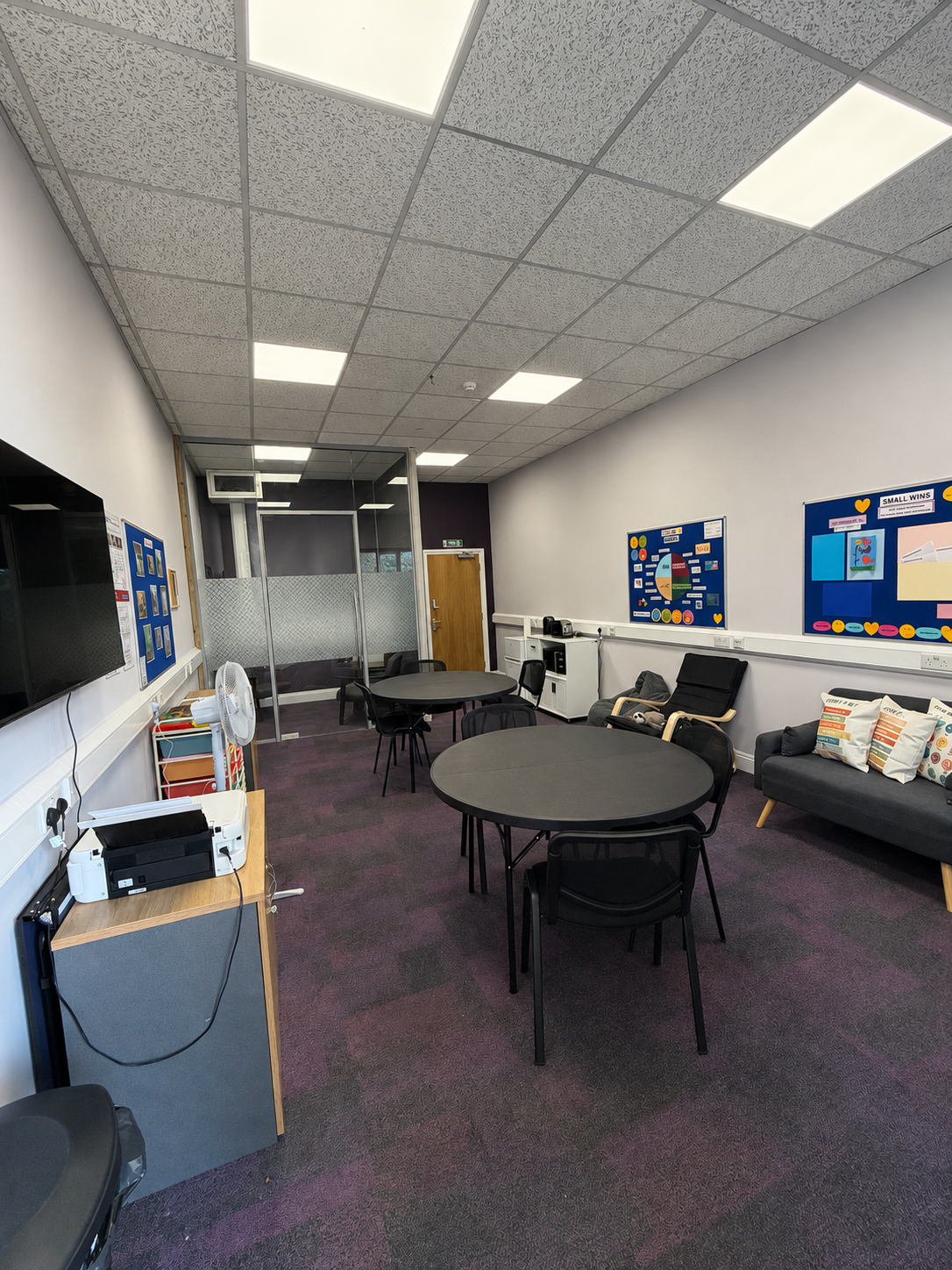
We provide a calm, nurturing and personalised environment where young people can rebuild confidence, reconnect with education and begin to see themselves as successful learners again.
Emotionally Based School Avoidance
Persistent Absence
Risk of Exclusion
Awaiting Specialist Placement
SEN / SEMH Needs
Looked After Children
Known to Social Care / YOS
Relationship-Centred
Positive, consistent relationships are at the heart of our approach. We take time to understand each young person and build the trust needed for them to move forward.
Trauma-Informed
We recognise that past experiences can affect how young people feel, behave and engage with education. Our approach prioritises safety, trust and emotional wellbeing.
Therapeutic
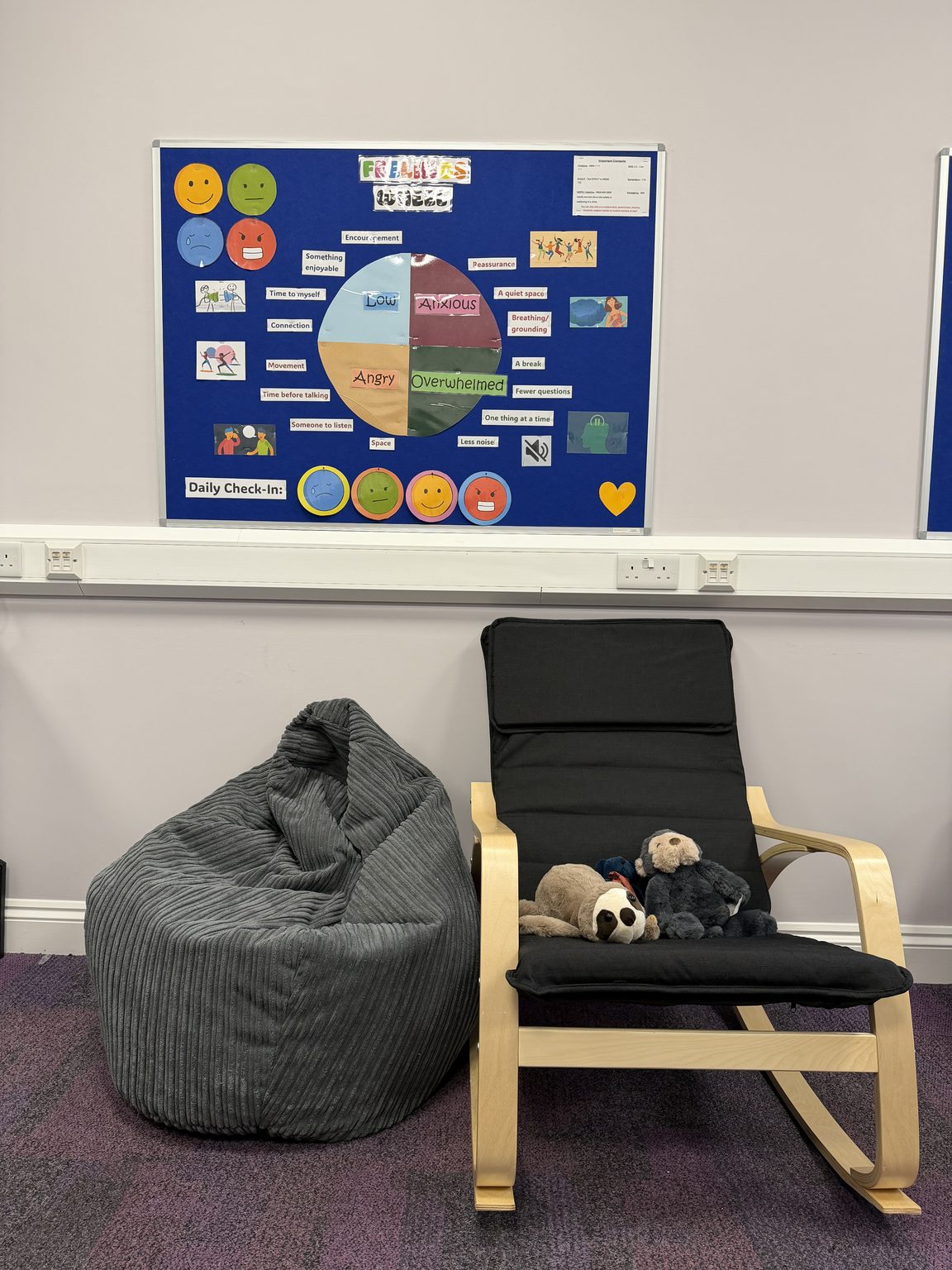
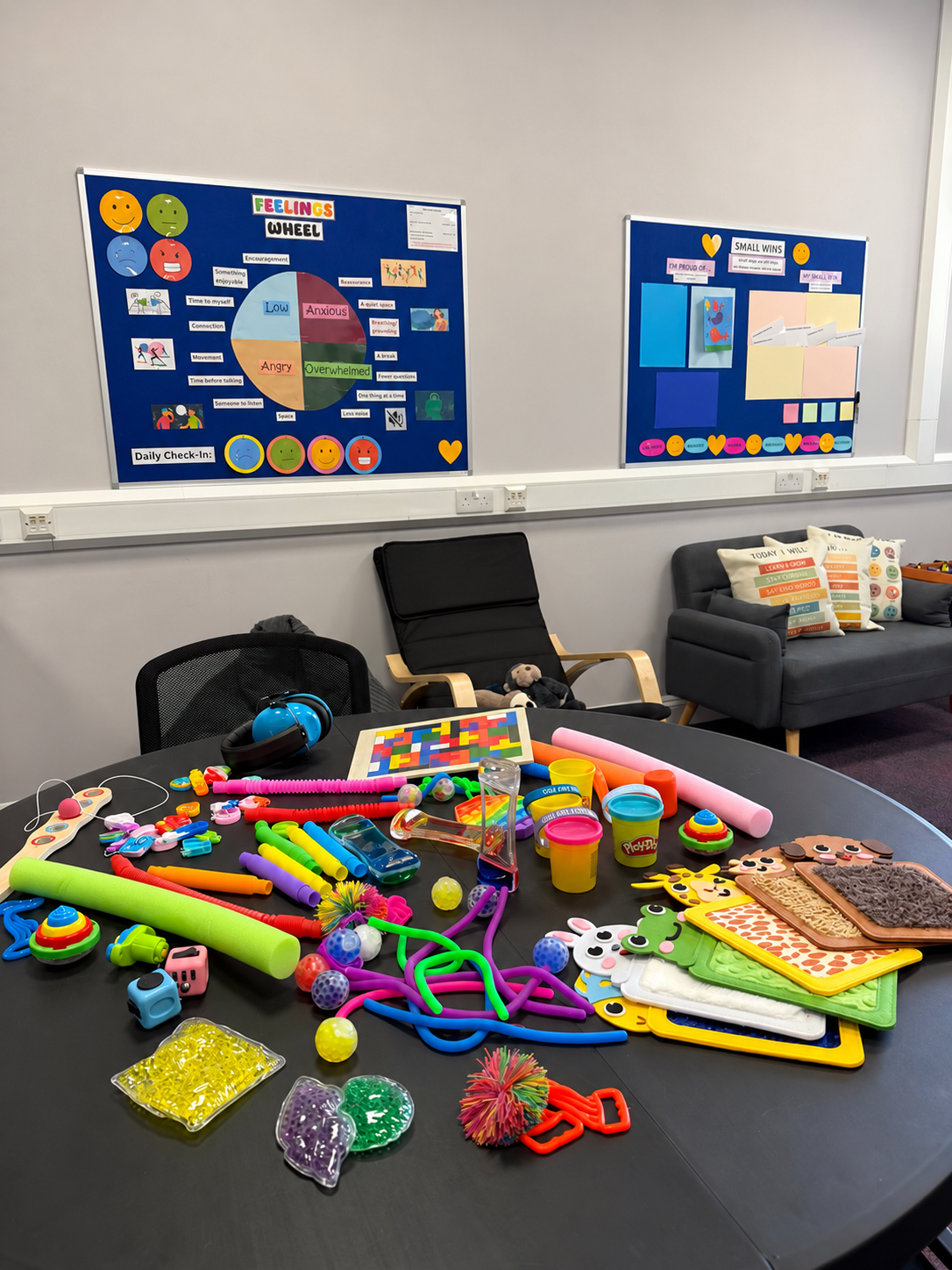
We provide a calm, nurturing environment where emotional development and meaningful learning work alongside each other to support re-engagement.
Individual Pathways
Every student has an Individual Learning Plan tailored to their current attainment, needs, and goals — reviewed regularly with the referring school.
— About the Founder

"The aim is to stabilise pupils, and rebuild engagement with education."

Dignity Rose Therapeutic Pathway was founded by Nichole Whyte, an education, safeguarding and pastoral leader with extensive experience supporting vulnerable young people across mainstream and alternative education.

Her experience includes senior roles across mainstream education. As a Designated Safeguarding Lead and Designated Teacher, she has led safeguarding practice, strengthened systems and processes, and worked closely with families and multi-agency professionals to support vulnerable young people.

Nichole is the Director, Designated Safeguarding Lead and THRIVE Adolescence Practitioner at Dignity Rose. Her experience trauma-informed practice shapes a provision that places relationships, emotional safety and individual need at the heart of each young person’s pathway.

Dignity Rose grew from a belief that some young people need something different from a traditional educational environment. Throughout my career, I have worked with young people whose experiences of anxiety, emotional needs, disrupted education and other barriers have made engagement with education increasingly difficult.

I wanted to create a small, calm and nurturing provision where young people can rebuild trust, develop confidence and reconnect with learning at a pace that reflects their individual needs.

— Our Offer

Relationships first. Learning follows.

At Dignity Rose, we recognise that young people need to feel safe, connected and understood before meaningful learning can take place.

Our trauma-informed, therapeutic and relationship-centred approach places positive relationships at the heart of learning. We seek to understand the needs behind behaviour and respond with curiosity, empathy, consistency and appropriate boundaries.

Our practice is informed by THRIVE and the principles of PACE — Playfulness, Acceptance, Curiosity and Empathy. Together, these approaches help us create a calm and predictable environment where young people can develop emotional regulation, rebuild confidence and become increasingly ready to engage with learning.
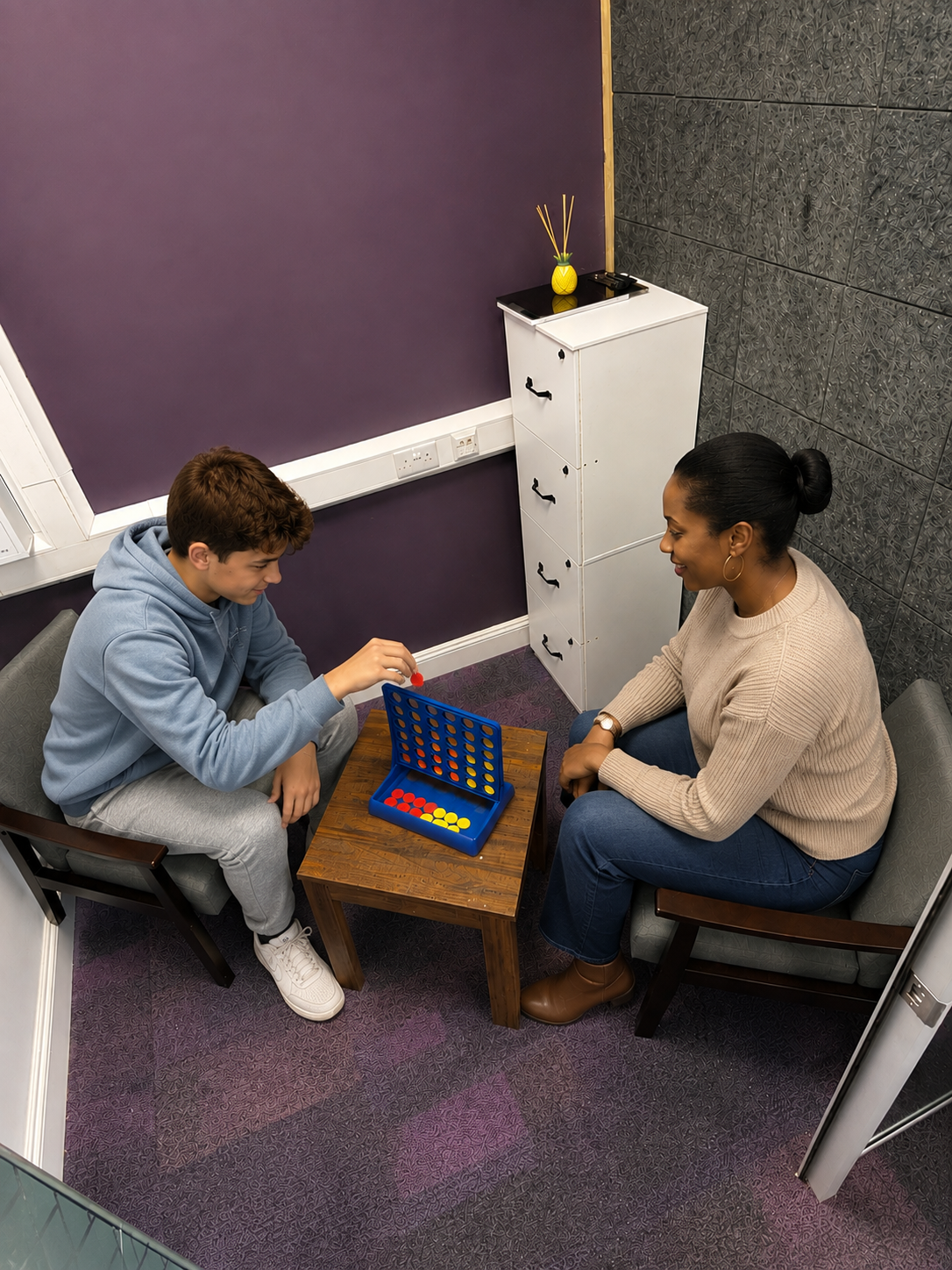
Therapeutic Support

Individualised, relationship-centred support using trauma-informed practice, PACE and THRIVE-informed approaches to help young people feel safe, understood and ready to engage.
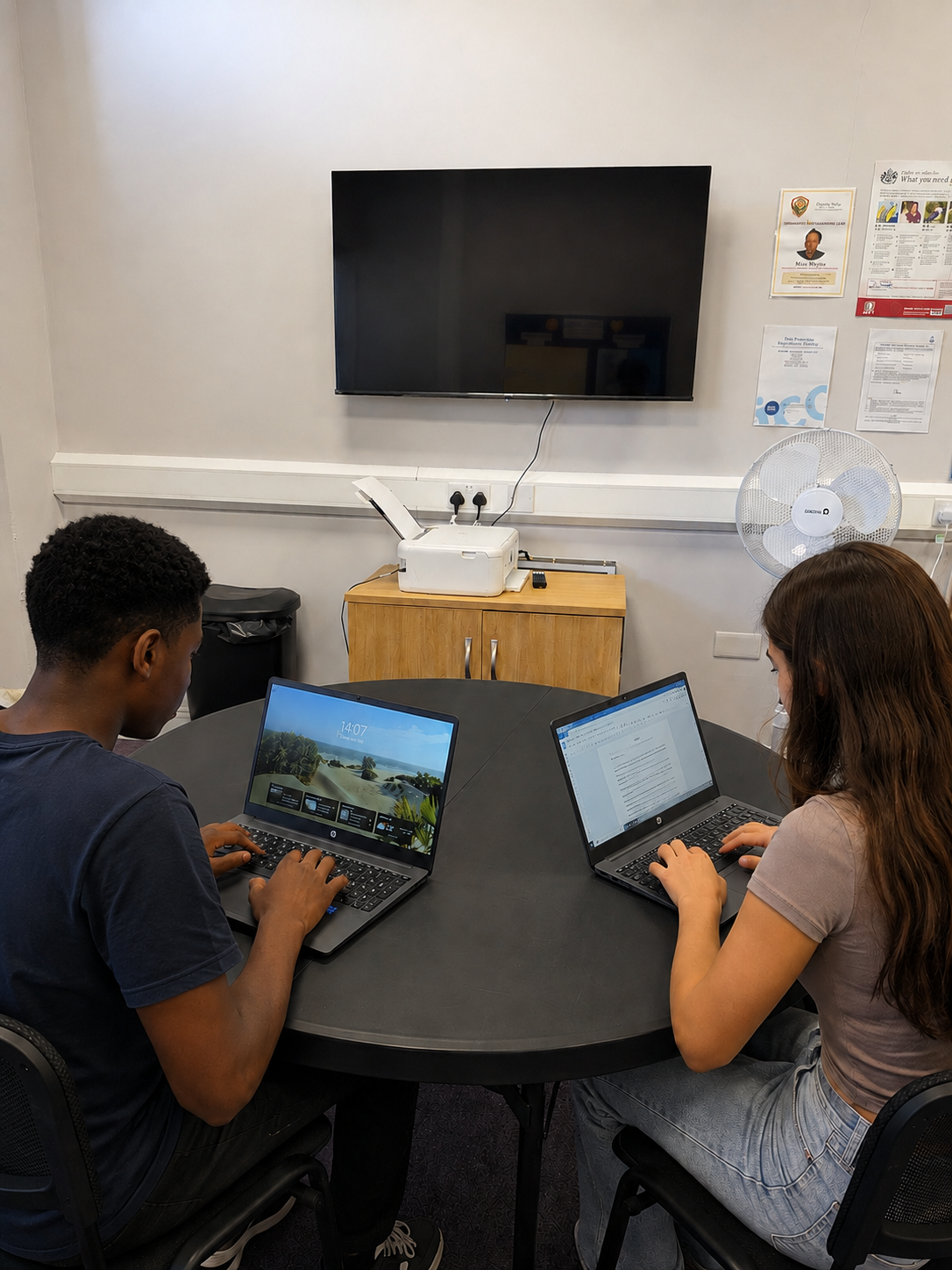
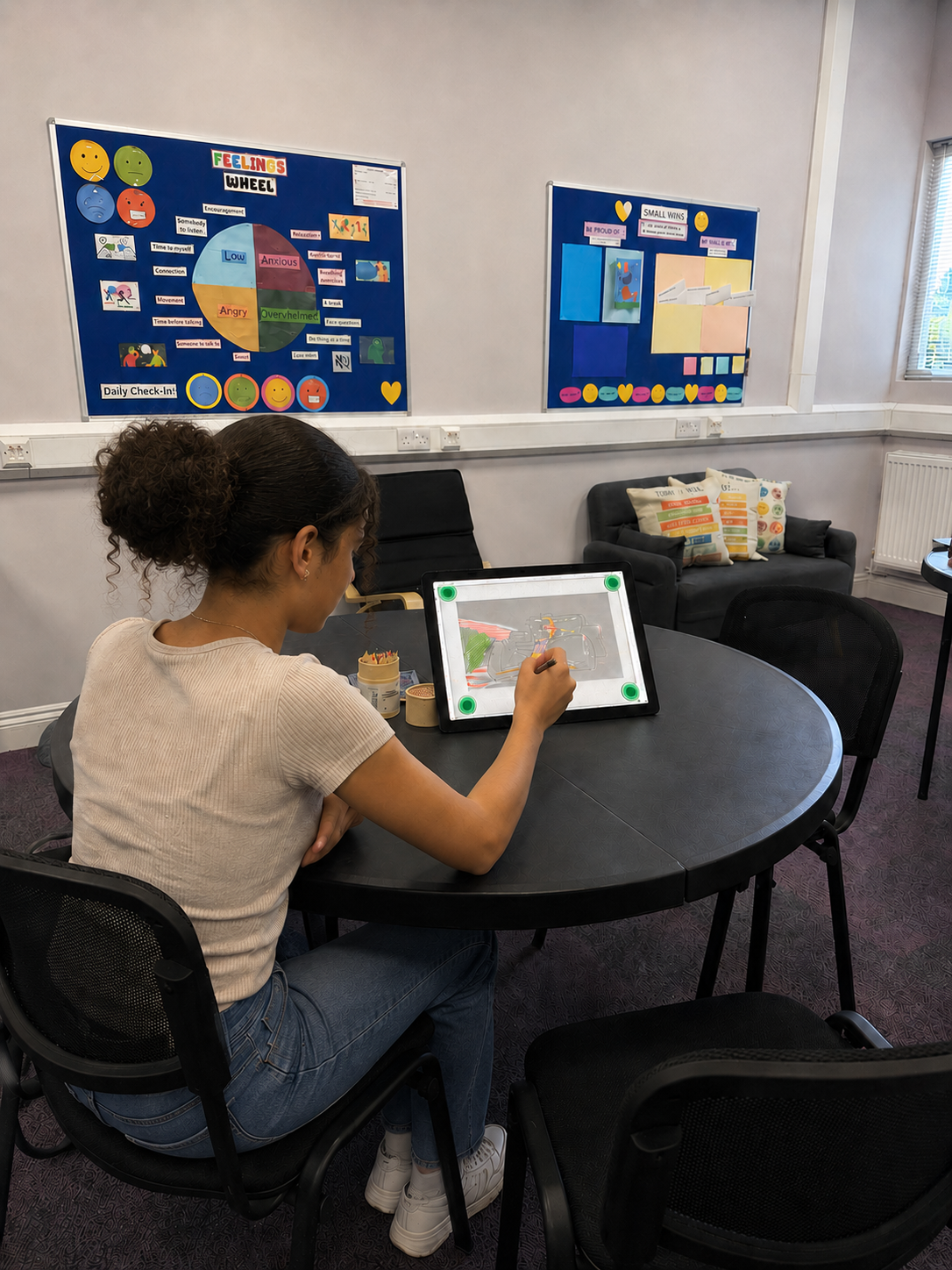
Personalised Learning
Learning is shaped around each young person’s needs, interests and starting points, with ASDAN Life Skills Challenges providing meaningful opportunities to develop skills and recognise progress.
Creative Exploration
Young people have opportunities to explore ideas, interests and different forms of creativity in a relaxed environment, supporting self-expression, confidence and engagement.
Enrichment & Experiences
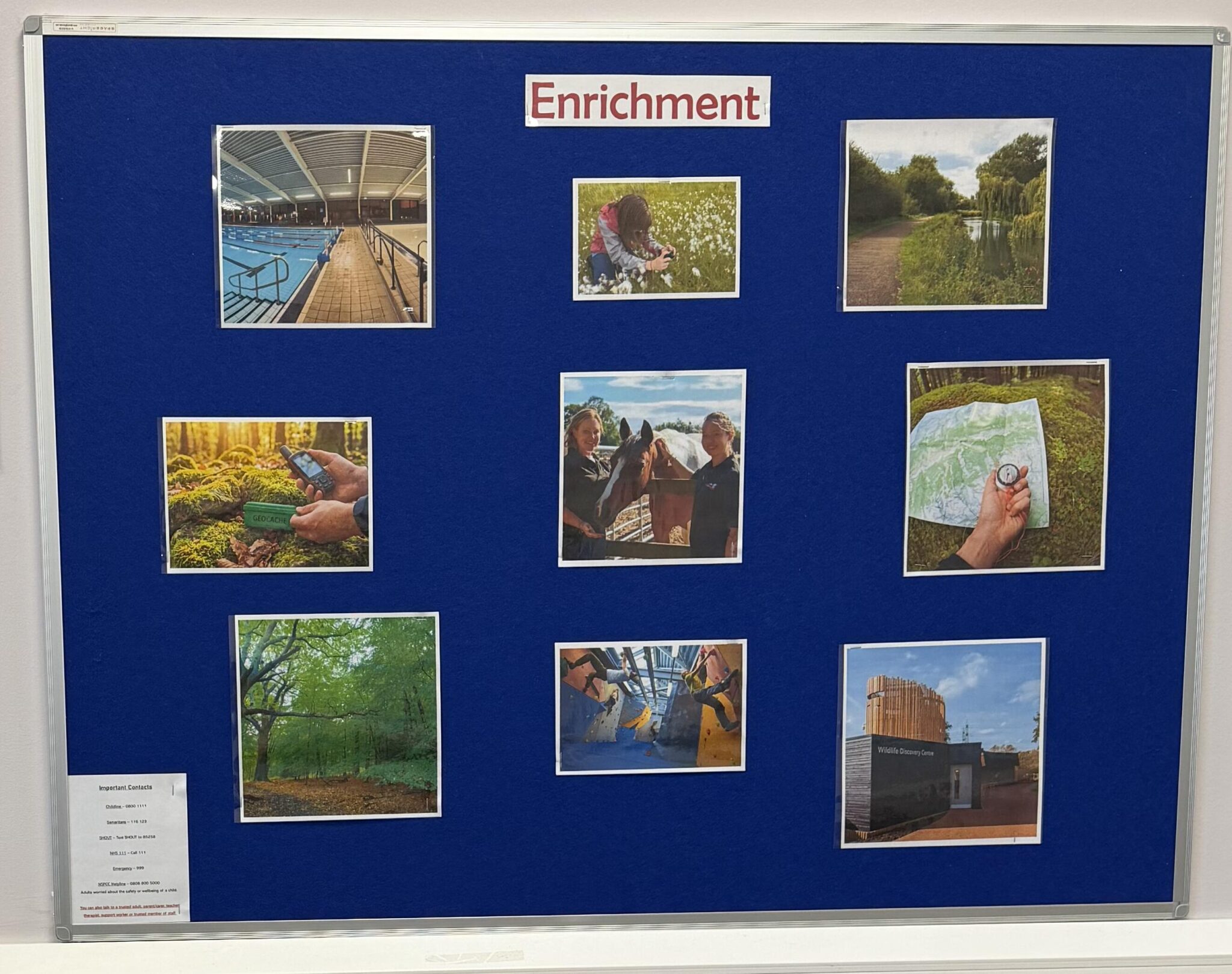
Regular enrichment gives young people opportunities to learn beyond the provision through physical activity, outdoor experiences, community-based activities and visits that build confidence, independence and life skills.
Small-Group & One-to-One Learning
With a maximum of four learners on site at any one time, we provide focused small-group and one-to-one support tailored to each learner’s emotional, educational and developmental needs.
Opening Hours & Attendance
Dignity Rose operates Monday to Friday, 9:00am–2:30pm, during term time.

Most learners attend two full days each week, providing consistency and routine while maintaining links with their commissioning school. Attendance arrangements are individually agreed during placement planning and regularly reviewed to ensure they remain appropriate to the learner’s needs and intended outcomes.

Flexible, Personalised Timetables

Part-time, personalised programmes are planned around each learner’s individual needs, starting point and intended outcomes.

Attendance can be structured to support engagement, build confidence and enable a gradual return to education where appropriate.
— Referrals

Referrals to Dignity Rose are welcomed from schools, local authorities, SEND and inclusion teams, attendance services and other professionals involved in supporting a young person.

Each referral is considered individually to ensure the proposed placement is appropriate and that we can meet the learner’s needs safely and effectively.

We encourage an initial conversation before a formal referral so that we can discuss the young person’s needs, the reasons for referral and the intended outcomes of the placement.

Planning the Placement

Before a placement begins, we work with the commissioning school or local authority to understand the learner’s strengths, needs and current circumstances. Relevant safeguarding, SEND and risk information is considered alongside the intended outcomes of the placement.

Together, we agree attendance arrangements, reasonable adjustments, communication and how progress will be reviewed, helping to ensure the placement is appropriately planned from the outset.


Review Progress
Placements are reviewed regularly in partnership with the commissioning school. Reviews consider attendance, engagement, emotional wellbeing, learner voice, progress towards agreed outcomes and future planning.
Re-integration & Next Steps
We work alongside schools, families and professionals to support each learner’s individual needs and agreed outcomes. Where appropriate, we support carefully planned reintegration into education, helping learners develop the confidence, skills and readiness for their next steps.
— Safeguarding

Safeguarding at Dignity Rose is led by Nichole Whyte, Director and Designated Safeguarding Lead (DSL).

We work closely with commissioning schools, families and relevant professionals to ensure safeguarding information is shared appropriately, concerns are responded to promptly, and the welfare of each young person remains central throughout their placement.

Safeguarding is considered from the point of referral and continues through placement planning, ongoing review and transition.

Safeguarding concerns:

  • Designated Safeguarding Lead: Nichole Whyte
  • Telephone: 07300 309860
  • Email: safeguarding@dignityrose.co.uk
— FAQ

The Programme & Safeguarding

What does a young person do at Dignity Rose?
Each programme is personalised. It can include 1:1 Thrive sessions, ASDAN Life Skills Challenges, Creative Exploration, emotional regulation and personal development work, enrichment activities and supported opportunities to practise English and maths skills through meaningful activities.
Enrichment forms part of the programme and provides opportunities to develop confidence, relationships, independence and life skills. One programme afternoon is dedicated to enrichment, with a planned external visit normally taking place once each month.
We do not provide separate conventional English and maths lessons. Instead, young people have opportunities to practise and develop literacy and numeracy through ASDAN Life Skills Challenges and other purposeful activities.
We maintain communication with commissioners and provide information about attendance, engagement and progress. Outcomes are reviewed so that the programme can be adjusted where necessary and appropriate next steps can be planned.
Thrive is a developmental and trauma-sensitive approach that helps practitioners understand the social and emotional needs that may be affecting a young person’s behaviour, relationships and ability to engage with learning. At Dignity Rose, Thrive work is delivered 1:1.
Where reintegration is an agreed outcome, we work collaboratively with the young person, their school and other professionals to support a carefully planned transition.
Dignity Rose provides therapeutic and trauma-informed support, but we are not a clinical therapy service. We do not replace CAMHS, psychological, psychiatric or other specialist clinical services where these are required.
Safeguarding is central to our work. Dignity Rose has established safeguarding procedures, safer recruitment arrangements and a Designated Safeguarding Lead. Concerns are recorded, responded to and shared with relevant agencies or commissioning organisations where appropriate.

Referrals & Placements

Who can make a referral?
Referrals can be made by schools, local authorities and other appropriate commissioning professionals. Families can contact us to discuss the provision, although placements will normally need to be agreed with the organisation responsible for commissioning the young person’s education.
Yes. We welcome conversations with commissioning professionals and can arrange an appropriate visit to discuss the provision and whether it may meet a young person’s needs.
We support young people aged 11–16 whose needs may include SEMH, emotionally based school avoidance (EBSA), anxiety, difficulties with engagement or attendance, trauma-related needs, ASC or ADHD, and young people who may be at risk of exclusion or placement breakdown.
Placements are individually planned according to need and the agreed commissioning arrangement. Our core therapeutic pathway is designed around a structured two-day programme, with arrangements discussed during the referral process.
Dignity Rose is intentionally small. There are a maximum of four young people on site at any one time, supported by two members of staff.
Fees depend on the agreed package of provision. Schools and commissioning professionals should contact Dignity Rose for current placement information and costs.
Use the Make a Referral section of our website or contact Dignity Rose directly. We will arrange an initial discussion, consider the young person’s needs and determine whether the provision is likely to be suitable.
Placement length depends on the young person’s needs, intended outcomes and commissioning arrangements. Progress is regularly reviewed with the referring school or local authority.